-
Day 01 : Delhi - Shimla- - (350km, 7/08 hrs)
Pick up from your Delhi Airport / Railway station and move to Shimla. On arrival at Shimla check into hotels. Rest of time free at leisure.
Overnight stay in Hotel.
-
Day 02 : Shimla -Sangla- (219km, 6/7 hrs)
This morning after breakfast we will be driving you to Chitkul (1 hrs.) which is the last village on Indian side on the Indo–Tibetan border. The village of Chitkul is like something from a fairy tale, and you will have a chance to walk slowly around it. The landscapes are stunning, and you will have plenty of time to enjoy them and talk to the local people. We will return to Sangla for lunch (at own cost) and the rest of the day is free or if you like you can walk to another of the nearby villages with your guide.
The Sangla Meadows Also Known As Sangla Kanda Is another Natural Sightseeing Attraction In Sangla. This Place Is Completely Covered In Greenery And Surrounded By Snowcapped Mountain Ranges Of The Himalayas. It Also Forms A Perfect Site To See The Kinner Kailash In An 180 Degree View. This Place Will Also Provide A View Of The Local Huts Of Himachal Along With The Sustoms And Lifestyle Of Its Local People.
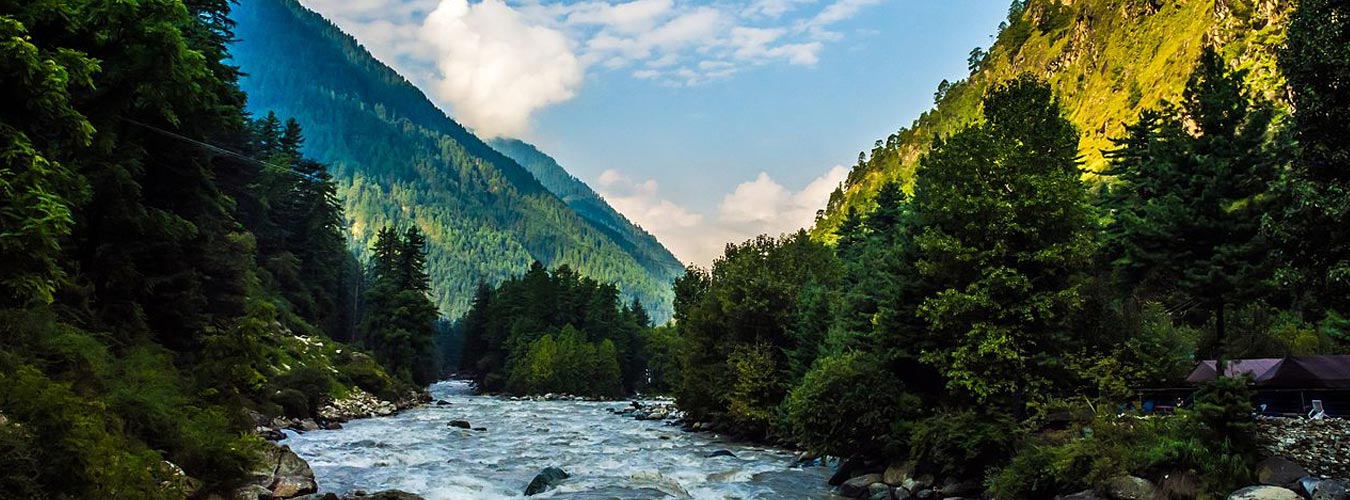
The Baspa River Is A Fast Flowing River That Passes Through The Hills Of Sangla. The Surroundings Of Baspa River Provide An Opportunity To View Timely Rainbows And Brown Trout. It Is Also An Angler’s Paradise For Being Home To A Vast Variety Of Fishes. Crossing This River Is Also Quite An Attraction Amongst The Visitors As This Process Involves Ride In A Basket Along The Way. Its Surrounding Areas Also Stand Appropriate For Campers And Trekkers. Overnight in Sangla.(Breakfast & Dinner).
Highlights: Green valley, Kufri, Theog, Narkanda, Rampur, Chitkul Village (The last village of Indian side on the Indo–Tibetan border), Baspa River, Satluj River
-
Day 03 : Day 3: Sangla-Kaza
This day after break fast check out from the hotel and drive to wards Kaza. On arrive at Kaza check into the hotel Dinner & overnight stay at Kaza.
-
Day 04 : Kaza (13,800 feet)
After breakfast, proceed for a full-day sightseeing tour of Spiti’s high-altitude gems — Key, Kibber, Hikkim, Komic & Langza.
Key Monastery — Established in the 11th century by Buddhist disciple Drompton, Key Gompa is one of the main training centres for lamas in the region. Perched at 4,115 m and often called ‘Little Tibet’, it specializes in sadhana, Buddhahood, cosmology, and physiology. Just 12 km north of Kaza in the Spiti Valley above Kye village, the monastery is reachable by road or a short hike. Centuries of invasions, natural calamities, and patchwork reconstruction have given it a fort-like, box-shaped structure with temples stacked atop one another. Inside, low rooms, narrow corridors, steep staircases, and small doors lead to prayer halls across three floors. The underground level is used for storage, including the mural-rich Tangyur room. The ground floor houses the beautifully decorated Assembly Hall and monks’ cells. Key Monastery preserves priceless Thangkas, ancient manuscripts, images, unique wind instruments, and weapons once used to defend it. The instruments are still played during Chaam festivals in June–July, when masked dances and a procession end with the burning of a large butter sculpture of a demon. Locals also run an old-age home here for those seeking salvation in their later years.
Komic & Tnagyud Monastery — Komic Monastery, also called Tnagyud Monastery, sits at 4,587 m and is one of the world’s highest motorable monasteries, overlooking Komic village and surrounding peaks. As per the sacred ‘Gum Maro’ (Red Box) kept here, Tibet foretold a monastery would rise in Spiti between a snow-lion-shaped mountain on the left and a beheaded-eagle-shaped peak on the right, with four springs nearby. The area between them, shaped like a snow cock’s eye, gave Komic its name — ‘Ko’ (snow cock) + ‘Mic’ (eye). Dating to the early 14th century, the monastery is built like a fortified castle with massive slanted mud walls and vertical red-ochre and white stripes. Komic has just 12 houses and 50–60 residents, plus lamas who stay year-round. Life here is stark — no mobile network, harsh climate, minimal amenities, and complete isolation from November to March when winter temperatures drop to -30°C with heavy snow and winds.
Langza Village — At 4,200 m, Langza is among Spiti’s most picturesque villages, set on highland meadows with the snow-capped Chau Chau Kang Nilda peak as a backdrop. The village is adorned by a towering Buddha statue and an ancient 1,000-year-old temple called ‘Lang’, said to be the abode of regional deities. Langza is famous for marine fossils — millions of years ago, Spiti lay under the Tethys Sea, and fossil remains are still scattered around the village. Regular fossil excursions offer a unique glimpse into Himalayan history. If the season is right, enjoy freshly picked peas from local farms, watch yaks graze, or observe locals herding cattle.
Hikkim — Hikkim is home to the world’s highest post office and highest polling station. Send a postcard from here for a truly unique souvenir.
Kibber — Though not detailed above, Kibber is often combined with this circuit. At 4,270 m, it’s one of the highest inhabited villages in the world and a great spot to see blue sheep and snow leopards in winter.
This route showcases Spiti’s raw landscapes, living Buddhist culture, and the resilience of high-altitude Himalayan life — all in one unforgettable day.
Highlights : Key Monestary, Kibber Village, Chicham Bridge, Komic Village, Hkkim Village, Langza.
-
Day 05 : Kaza- Tabo | Explore the “Ajanta of the Himalayas”
This morning after breakfast, we begin our journey towards Dhankar Monastery and Pin Valley. En route, we visit Dhankar Monastery.
Dhankar Monastery & Village — Perched at 3,894 metres (12,774 ft), Dhankar Monastery enjoys one of the world’s most dramatic settings for a gompa. Built on a high spur overlooking the confluence of the Spiti and Pin Rivers, the 1,000-year-old complex has belonged to the Gelugpa school since the 1450s, though it was previously Nyingma-pa, Sakya-pa, and Kagyu-pa depending on the king’s allegiance. A major highlight is the statue of Vairochana (Dhyan Buddha) — four figures seated back to back — along with a collection of centuries-old thangkas.
Dhankar, meaning “fort on a cliff” — dhang (cliff) + kar (fort) — was the traditional capital of the Spiti Valley Kingdom in the 17th century, with features dating back to the 12th century. It was the seat of Spiti’s early rulers, the Nonos, who maintained the fort, managed nearby government lands, and dispensed justice with famously harsh penalties until the British era. The original fort was destroyed in the 1975 earthquake and now lies in ruins, but still offers vast views of Spiti Valley and is worth a visit. Due to structural deterioration, parts of the old gompa have been abandoned, and a new monastery has been built further down. Dhankar Monastery is recognized by the World Monuments Fund as one of the Hundred Most Endangered Sites in the world.
Pin Valley — After exploring Dhankar, we drive to Pin Valley and check in at a homestay on arrival.
Pin Valley is home to India’s only cold desert National Park, located in Himachal Pradesh. Named after the Pin River, the park endures sub-zero temperatures and semi-frozen rivers. Strongly influenced by Buddhism, the valley is Spiti’s main stronghold of Nyingmapa Buddhists and home to the last surviving Buchen Lamas. Several famous gompas are located here.
The valley is also a habitat for the elusive snow leopard and its prey, the Himalayan ibex. Set against a backdrop of awe-inspiring icy mountain ranges, Pin Valley remains snowbound for much of the year. A trek here should only be attempted by spirited, adventurous, and fit travelers. After capturing the mesmerizing views of Pin Valley National Park, we drive back to Kaza for a relaxing evening by the banks of the Spiti River.
Dinner & overnight stay in Kaza.
Highlights: Dhankar Monestary, Dhankar Lake(1-2hrs Trek), Pin Valley, MudhVillage
-
Day 06 : Tabo to Kalpa- Narkanda
This morning after breakfast, check out from your hotel/homestay in Kaza and start your journey to Kalpa. Overnight stay at Kalpa Hotel.
At 2,670 metres above sea level, Kalpa is the district headquarters of Kinnaur and was once a favourite getaway of Lord Dalhousie. On reaching Kalpa, check in to your hotel.
Once known as Chini, little has changed in Kalpa in the last 500 years. Legend says that when Lord Dalhousie wanted a break from his hectic schedule in Shimla, he would ride here on horseback.
Beside Kalpa stands a striking 79-foot rock formation resembling a Shivling that changes colour through the day and is clearly visible to the naked eye on clear days.
After lunch, rest at your hotel for a while. In the evening, visit the Buddhist Gompa — Hu-Bu-Lan-Kar Monastery.
Return to your hotel for dinner and overnight stay at Kalpa.
-
Day 07 : Narkanda to Delhi Drop (.) Meals: Breakfast)
This morning check out and scheduled transfer to Delhi Airport / Rly station to board the train for home town.
Tour Ends with happy memories